Bolognese Ragù, the Classic Slow-Cooked Recipe
Classic bolognese ragù with ground meat, soffritto, and slow cooking: thick, fragrant, and perfect for tagliatelle and lasagne.
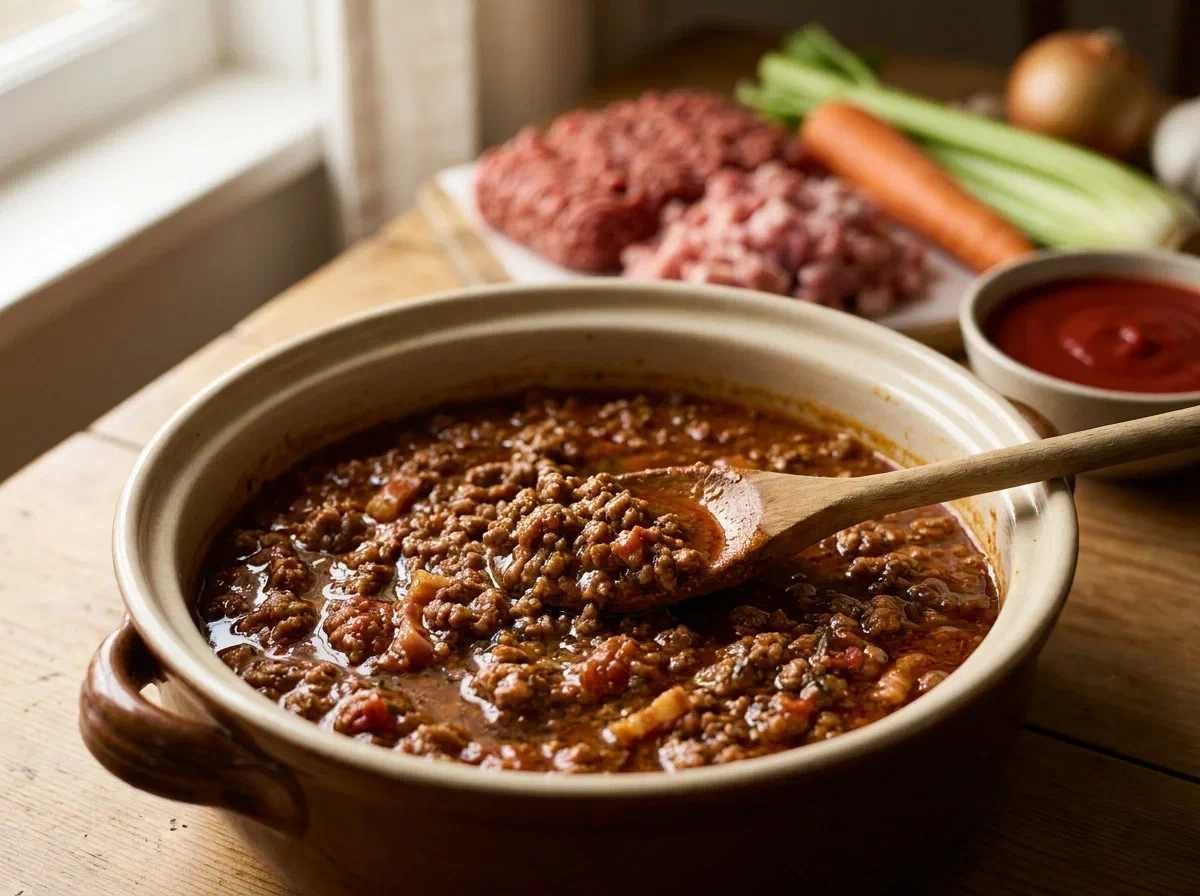
Want a bolognese ragù that’s thick and fragrant, the real slow-cooked kind that turns a plate of pasta into something special? Then follow this recipe: it’s the classic Emilian version, with no shortcuts.
Bolognese ragù is the base of Sunday first courses: tagliatelle, lasagne, baked pasta. Its secret isn’t a rare ingredient but time: a long, slow simmer that concentrates the flavors and makes the meat tender and enveloping.
It has at least three real advantages: it’s made with simple ingredients, it pays off when made in quantity, and it keeps and freezes beautifully, so you always have the base for a first course ready.
The most important tip is don’t rush: the ragù must simmer gently for at least two hours. Less time and it stays watery and bland. And don’t skip the milk: it’s the touch of the Bolognese tradition that softens the meat and tames the acidity of the tomato.
Once ready, this ragù is the base of many dishes: keep a batch in the freezer and your Sunday is sorted.
Ready? Let’s make bolognese ragù.
Base preparations used
To make this recipe
A small selection of handy tools to keep within reach. Some links may be affiliate links.
Large non-stick pan
Useful for cooking and sautéing ingredients evenly without overcrowding the surface.
Steps
- Finely chop the carrot, celery, and onion. Warm them in a pot with a drizzle of oil and soften them over low heat for 8 to 10 minutes, without browning too much.
- Raise the heat, add the ground meat, and brown it well, stirring, until it loses its pink color and starts to sizzle. Season with salt and pepper.
- Deglaze with the red wine and let it evaporate completely.
- Add the tomato paste, stir for a minute, then pour in the passata. Bring to a gentle simmer and lower the heat to a minimum.
- Add the milk and cook the ragù partly covered for at least 2 hours, stirring occasionally and loosening with a little hot water if it dries out too much.
- Adjust the salt at the end: the ragù is ready when it's thick, glossy, and the flavors are well blended.
Helpful tips
Slow cooking is everything: less than 2 hours and the ragù stays watery and bland. Cook gently and patiently.
Milk softens the meat and tames the acidity of the tomato: it's a step of the Bolognese tradition.
The ragù is even better the next day and freezes beautifully: make a generous batch.
Perfect for tagliatelle, lasagne, and baked pasta: it's the base of many first courses.
Average nutrition per serving
- Calories
- 320 kcal
- Carbohydrates
- 8.0 g
- Sugars
- 5.0 g
- Protein
- 22.0 g
- Fat
- 22.0 g
- Saturated fat
- 9.0 g
- Fiber
- 2.0 g
- Sodium
- 480 mg
You might also like
Related recipes
Selected based on the same practical features as this recipe.
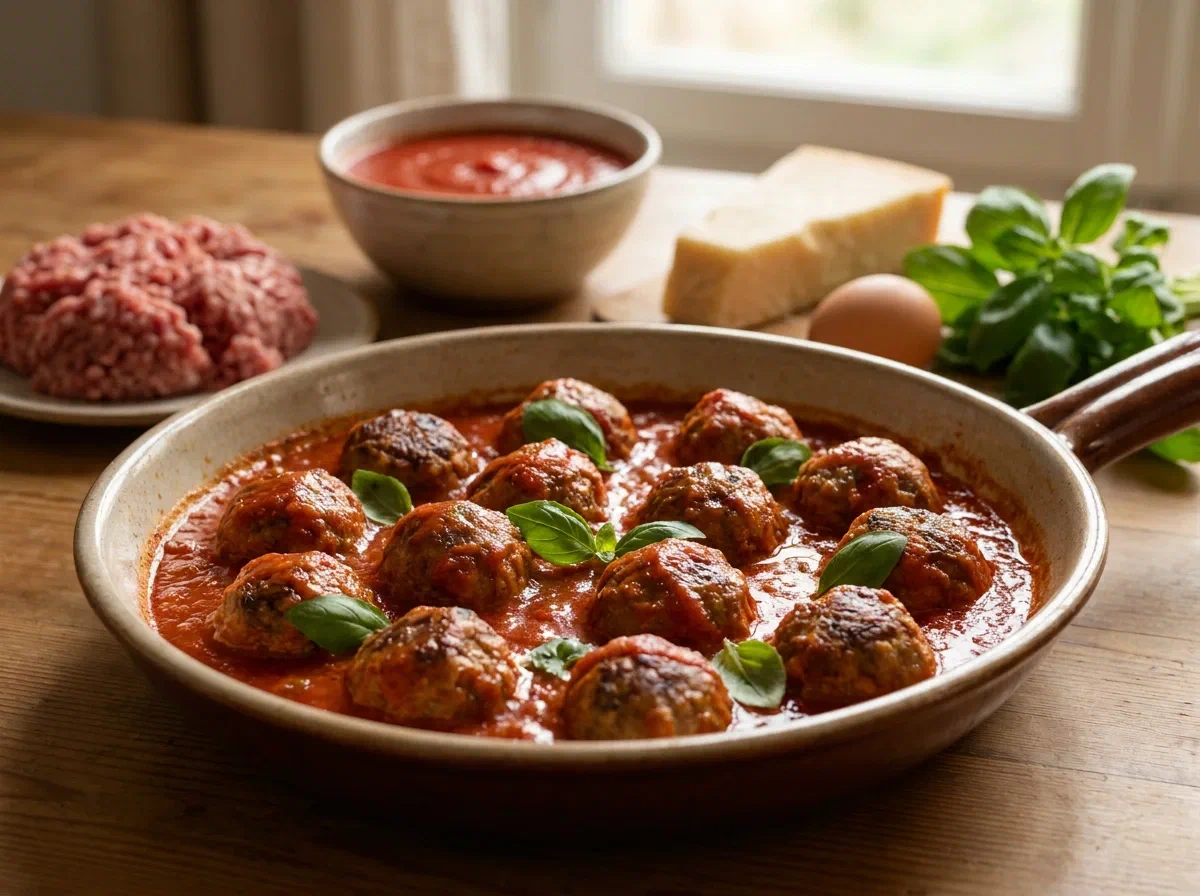
Tender Meatballs in Tomato Sauce, the Traditional Recipe
Tender traditional meatballs in tomato sauce, with ground meat, milk-soaked bread, and parmesan, slowly simmered in a basil tomato sauce.

Classic Vanilla Panna Cotta with Mixed Berry Coulis
Classic vanilla panna cotta, soft and silky, with a mixed berry coulis: a no-bake spoon dessert, ready in just a few minutes.
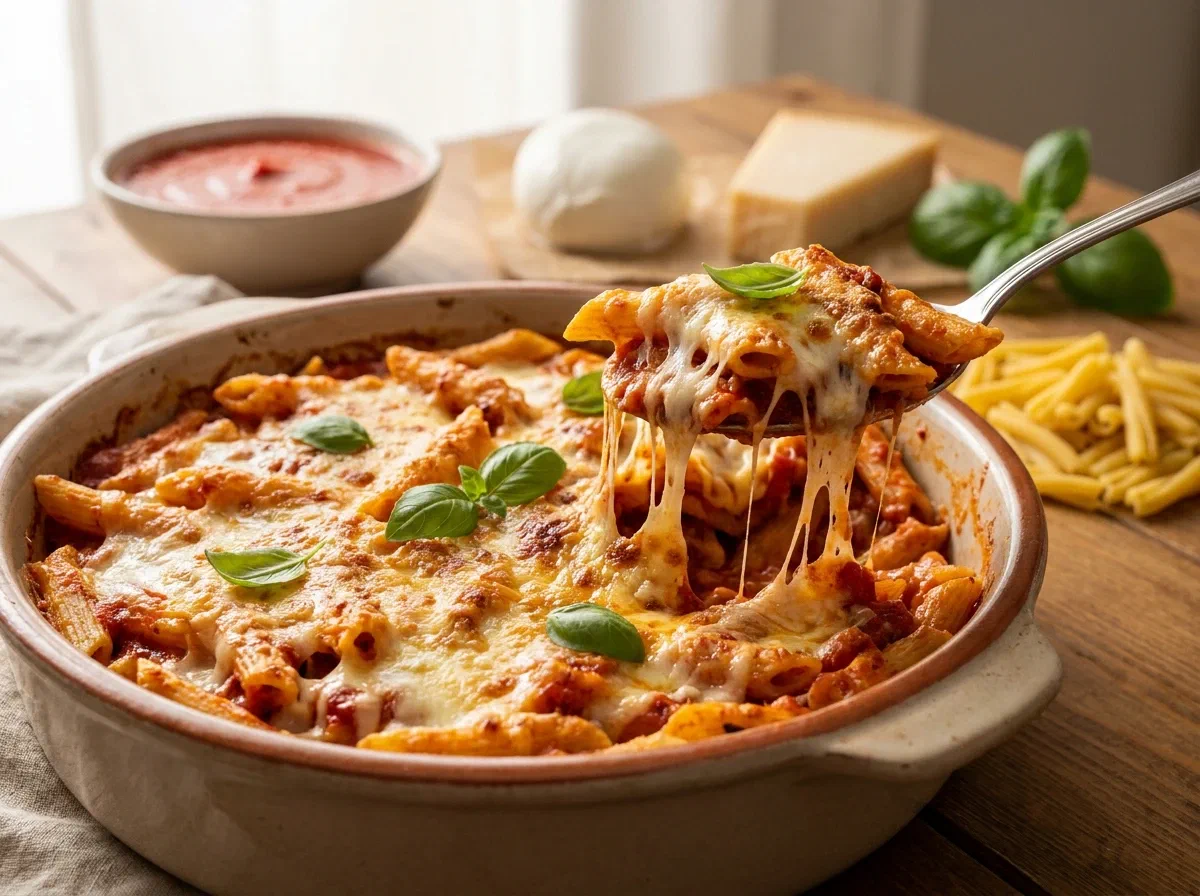
Cheesy Baked Pasta with Tomato and Mozzarella
Cheesy Italian baked pasta with basil tomato sauce, mozzarella, and parmesan: a comforting first course, perfect to make ahead.