Classic Roman Cacio e Pepe: the authentic recipe with perfect pecorino cream
Authentic cacio e pepe with DOP pecorino romano, toasted black pepper, and the right technique for a smooth, lump-free cream sauce.
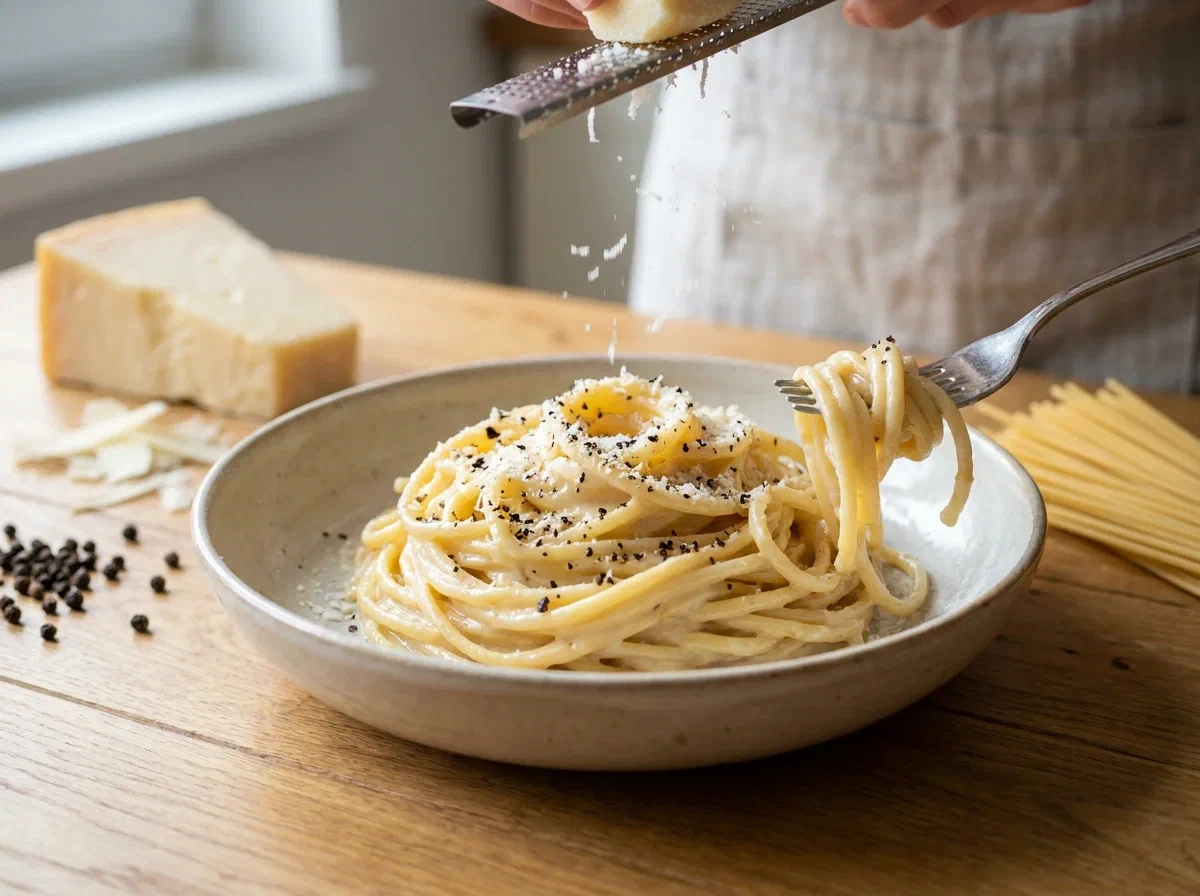
Looking for a cacio e pepe that comes out genuinely creamy, with no clumps and no shortcuts? You’re in the right place, because this is the version that actually works, even on your first attempt.
Cacio e pepe is one of the four pillars of Roman cuisine and, like all recipes built on just a handful of ingredients, the margin for error is nearly zero. The secret isn’t in the quality of the pecorino or the shape of the pasta. It’s in the technique: the cream is built off the heat, combining finely grated cheese with starchy pasta water until the sauce is smooth, glossy, and perfectly emulsified around every strand.
It has at least three real advantages: it comes together in under thirty minutes with ingredients you probably already have, it costs next to nothing while tasting like a proper Roman trattoria, and every component does genuine work. There’s no filler here.
The single most important rule: never pour the pecorino cream over pasta that’s still on the heat. One extra second at too high a temperature and the sauce breaks into a stringy, clumped mess. Take the pan completely off the heat, then add the cream and toss vigorously with a splash of pasta water.
Leftovers rarely happen, but if they do, reheat gently in the pan with a ladle of water over very low heat. Avoid the microwave.
Ready? Let’s make cacio e pepe.
Steps
- Toast the peppercorns in a large dry pan over medium heat for 2 minutes, until fragrant. Crush them coarsely with the bottom of a glass or a mortar, then return them to the pan with half a ladle of cold water and set aside.
- Bring a large pot of water to a boil and salt it less than usual: pecorino is already very salty. Cook the tonnarelli until 2 minutes before the package instructions.
- While the pasta cooks, finely grate the pecorino onto a flat surface and transfer it to a large bowl. Add 3 to 4 tablespoons of warm (not boiling) pasta water and stir vigorously with a fork or small whisk until you have a smooth, fluid cream similar to a thick béchamel.
- Drain the pasta, reserving at least 400 ml (1¾ cups) of pasta water. Add the pasta to the pan with the toasted pepper, add a generous ladle of pasta water, and toss over medium heat for 1 to 2 minutes until it reduces slightly.
- Remove the pan completely from the heat. Pour the pecorino cream over the pasta and toss energetically with tongs or two spoons, adding pasta water a little at a time until the sauce is creamy and silky. The residual heat will melt the cheese without causing it to clump.
- Serve immediately on warm plates with a generous grind of fresh pepper and, if you like, an extra dusting of grated pecorino.
Helpful tips
The pecorino cream must never be added while the pan is still on the heat. Even a few extra seconds at high temperature will turn it lumpy. Always take the pan off the heat first.
Starchy pasta water is the secret ingredient: save at least 400 ml and add it gradually to control the sauce's consistency.
Tonnarelli grip the sauce better than smooth spaghetti thanks to their rough surface. Rigatoni or pasta alla chitarra also work well.
Leftovers are rare, but if they happen, reheat gently in a pan with a tablespoon of water over very low heat. Avoid the microwave.
Average nutrition per serving
- Calories
- 520 kcal
- Carbohydrates
- 60.0 g
- Sugars
- 2.0 g
- Protein
- 23.0 g
- Fat
- 20.0 g
- Saturated fat
- 12.0 g
- Fiber
- 3.0 g
- Sodium
- 650 mg
You might also like
Related recipes
Selected based on the same practical features as this recipe.
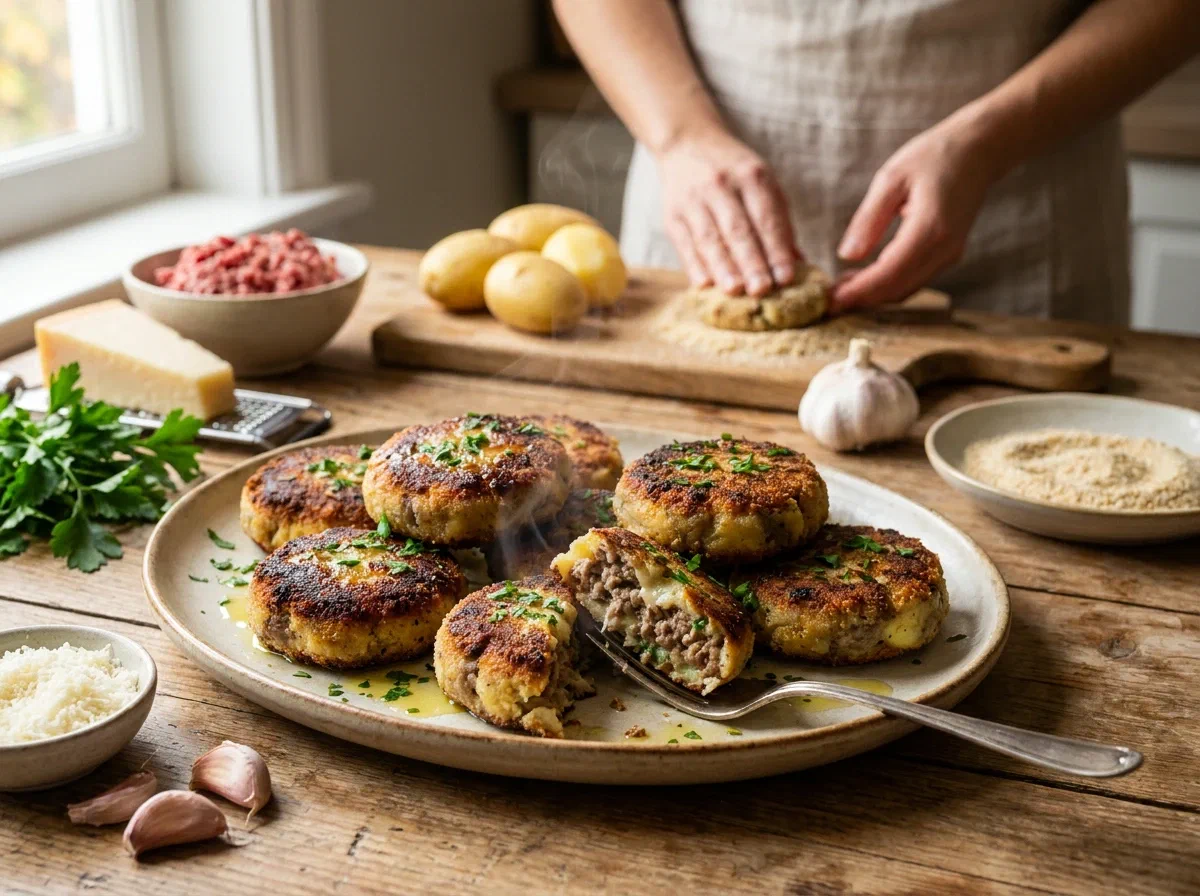
Pan-fried potato and beef patties, crisp outside and soft inside
Patties made with mashed boiled potatoes and ground meat, pecorino, Parmesan, garlic and parsley, coated in breadcrumbs and pan-fried flattened in a drizzle of olive oil.
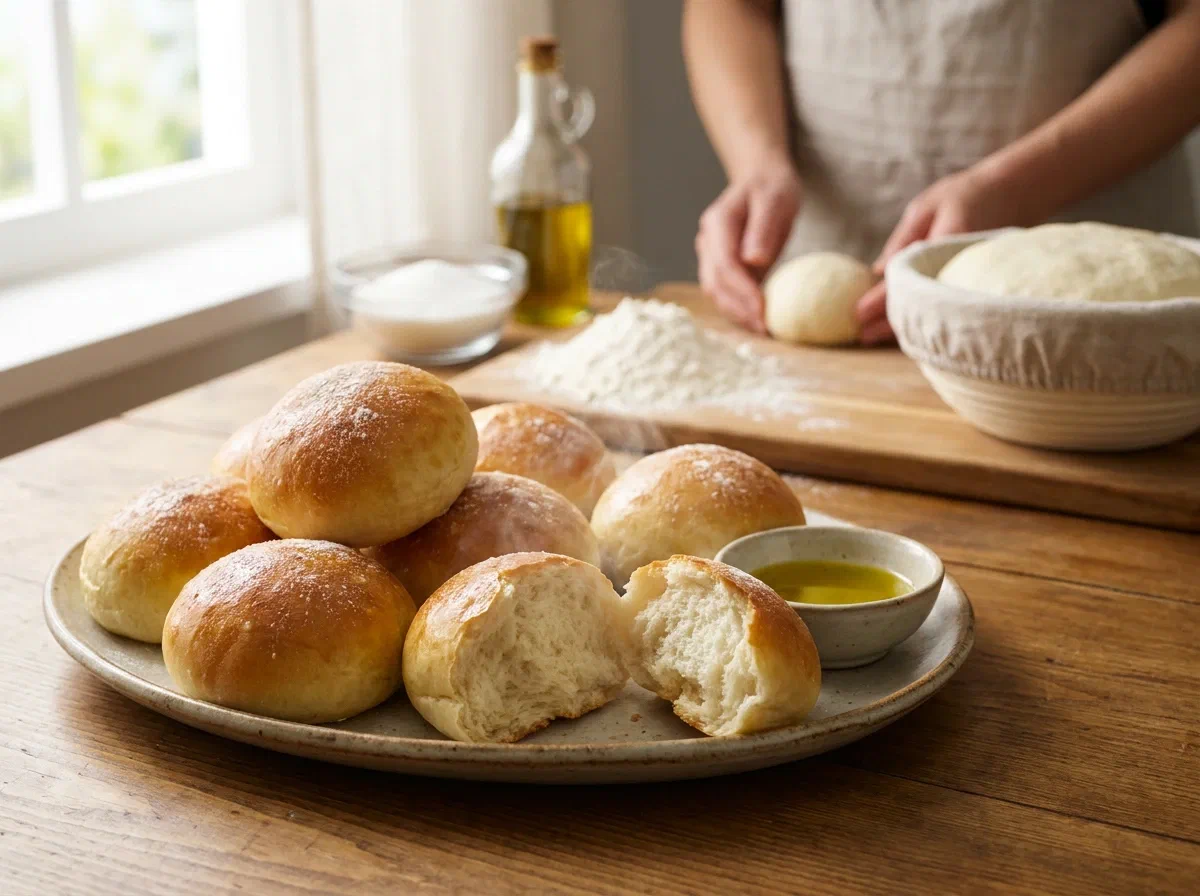
Super soft olive oil bread rolls, just like the bakery
Soft Italian olive oil rolls made with just six ingredients and a double rise: a thin golden crust, a white cottony crumb and no butter, milk or eggs at all.
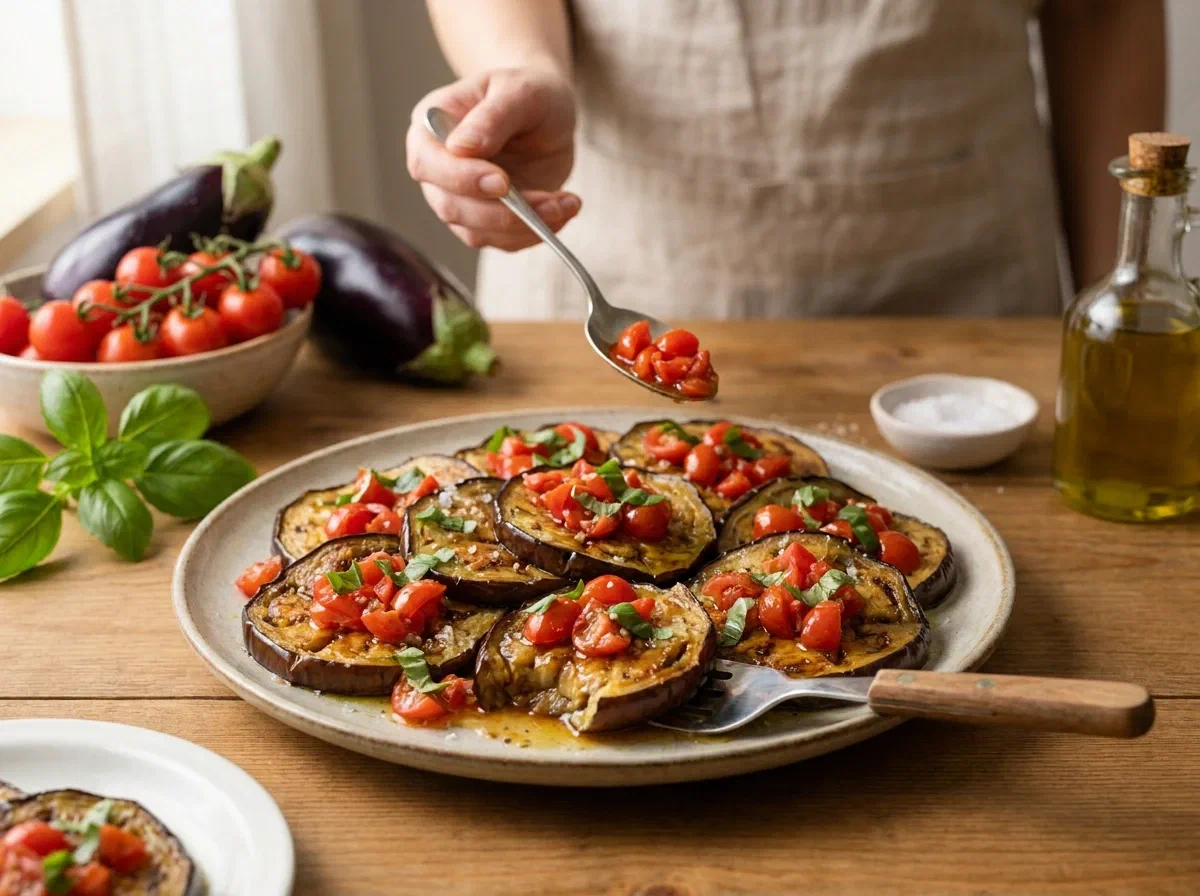
Baked aubergine rounds with cherry tomatoes, served cold
Aubergine rounds baked until meltingly soft, then cooled and topped with finely chopped cherry tomatoes, olive oil and basil. A very simple summer cold dish.