Homemade Fresh Egg Pasta, Smooth and Elastic
Homemade fresh egg pasta with flour and eggs: smooth, elastic, and easy to roll. The base for tagliatelle, lasagne, and ravioli.
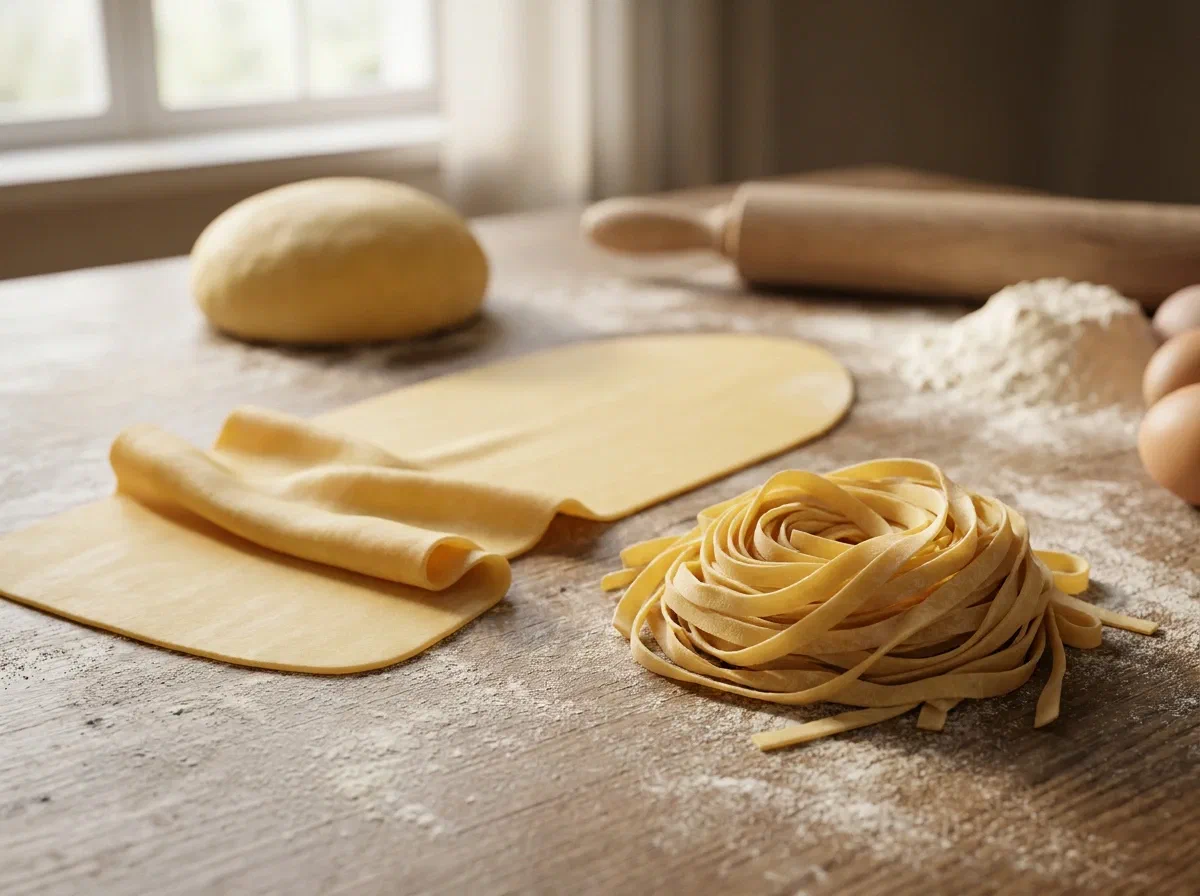
Want fresh egg pasta that’s smooth and elastic, the kind that rolls out thin without tearing and becomes tagliatelle, lasagne, or ravioli? Then follow this recipe: two ingredients and a bit of elbow grease.
Fresh egg pasta is the base of Emilian cooking and of countless homemade first courses. All you need is flour and eggs, but the result depends on two things: a well-worked dough and a rest that makes it elastic.
It has at least three real advantages: it’s made with the humblest ingredients, it’s the base of endless shapes (tagliatelle, lasagne, ravioli, pappardelle), and it gives a satisfaction dried pasta simply can’t.
The most important tip involves two steps: knead for a long time, at least ten minutes, until the dough is smooth and elastic, and let it rest for half an hour before rolling. Without resting, the dough shrinks back and resists thinning.
Remember the classic rule: 100 grams of flour per egg. From there you can scale the amounts to the number of portions you need.
Ready? Let’s make fresh egg pasta.
To make this recipe
A small selection of handy tools to keep within reach. Some links may be affiliate links.
Digital kitchen scale
In leavened recipes and baked goods, it lets you accurately weigh flour, liquids, and yeast.
Steps
- Mound the flour into a well on a work surface, crack the eggs into the center, and add the pinch of salt.
- Beat the eggs with a fork, gradually drawing in the flour from the edges, until the mixture starts to come together.
- Knead by hand for about 10 minutes, until you have a smooth, firm, elastic dough.
- Wrap the dough in plastic and let it rest for 30 minutes at room temperature: the rest is what makes it elastic and easy to roll.
- Roll the dough out thin with a rolling pin or pasta machine, lightly flouring, then cut it into the shape you want: tagliatelle, lasagne, or ravioli.
Helpful tips
The classic rule is 100 g of flour per egg: scale the amounts to how many portions you need.
The rest is essential: without it, the dough shrinks back and is hard to roll.
Flour the sheets and cut shapes to keep them from sticking together.
Fresh pasta cooks in no time, 2 to 3 minutes in boiling salted water.
Average nutrition per serving
- Calories
- 280 kcal
- Carbohydrates
- 50.0 g
- Sugars
- 2.0 g
- Protein
- 11.0 g
- Fat
- 4.0 g
- Saturated fat
- 1.0 g
- Fiber
- 2.0 g
- Sodium
- 20 mg
You might also like
Related recipes
Selected based on the same practical features as this recipe.
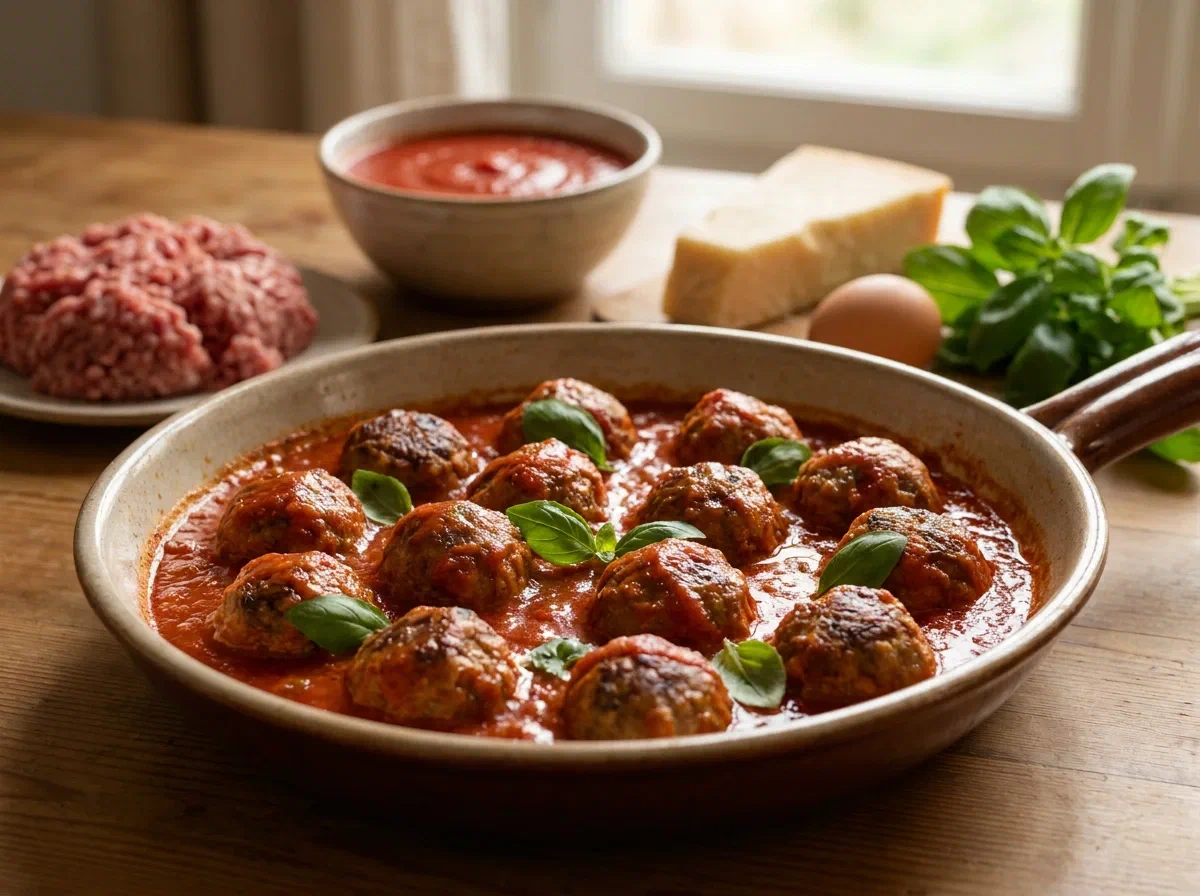
Tender Meatballs in Tomato Sauce, the Traditional Recipe
Tender traditional meatballs in tomato sauce, with ground meat, milk-soaked bread, and parmesan, slowly simmered in a basil tomato sauce.
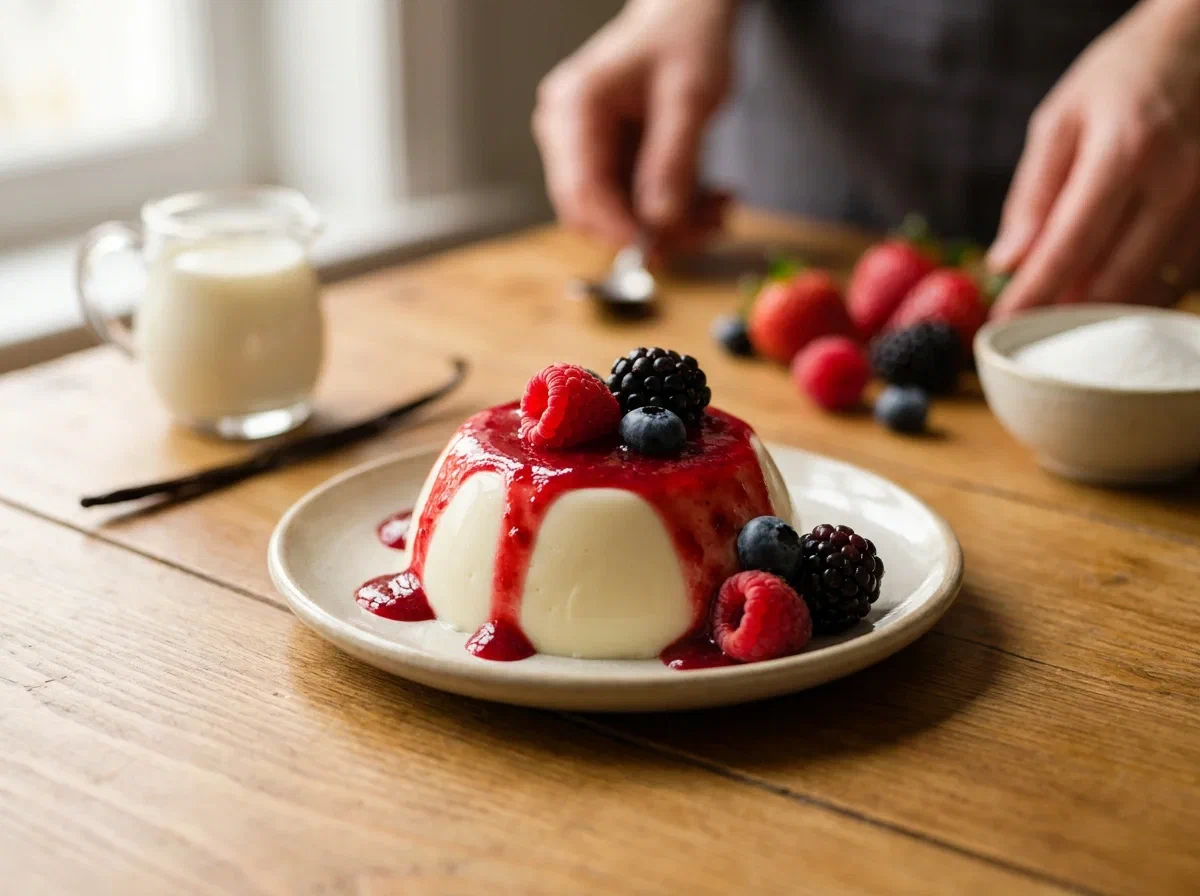
Classic Vanilla Panna Cotta with Mixed Berry Coulis
Classic vanilla panna cotta, soft and silky, with a mixed berry coulis: a no-bake spoon dessert, ready in just a few minutes.
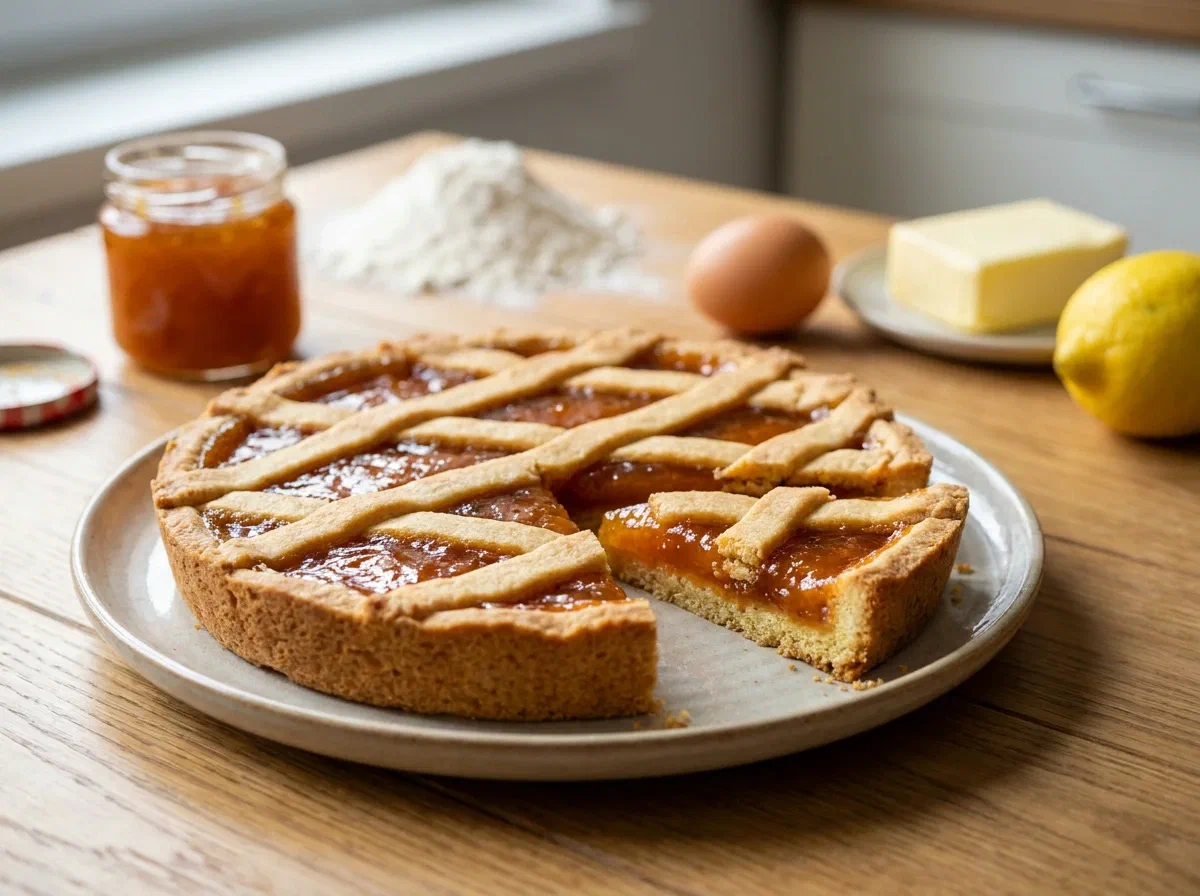
Classic Italian Crostata with Jam and Crumbly Shortcrust
The classic Italian crostata with crumbly shortcrust pastry and jam: the traditional breakfast bake, simple to make and always perfect.